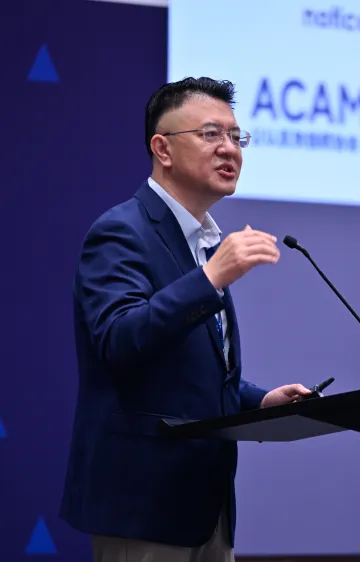


Latest ACAMS Assembly draws AFC professionals to Florida


Last week, anti-financial crime (AFC) professionals gathered in South Florida at The ACAMS Assembly Hollywood to hear experts from the field discuss a variety of topics including developments in compliance regulation, artificial intelligence (AI), sanctions, fraud and criminal networks, partnerships between law enforcement (LE) and financial institutions, suspicious activity reports (SARs), cryptocurrency and the current uncertain geopolitical climate worldwide.
During his welcoming remarks on April 20, Neil Sternthal, president and CEO of ACAMS, noted that the conference program, which began 30 years ago, has provided professionals with a venue to access proprietary AFC and share knowledge with others in the industry.
Sternthal observed that, “Criminals may have networks, but we have networks too.” He also told the audience, “Sharing what we learn together [at the conference] and cascading it to our network” will help the AFC community stay ahead of the criminals.
Jonathan Burke, assistant secretary for Terrorist Financing at the U.S. Department of the Treasury, followed Sternthal with a keynote address during which he shared insights with the session’s attendees, noting that correspondent banking presents risks to U.S. banks, while emphasizing the critical importance of customer risk, highlighting the need for institutions to truly understand what their customers are doing.
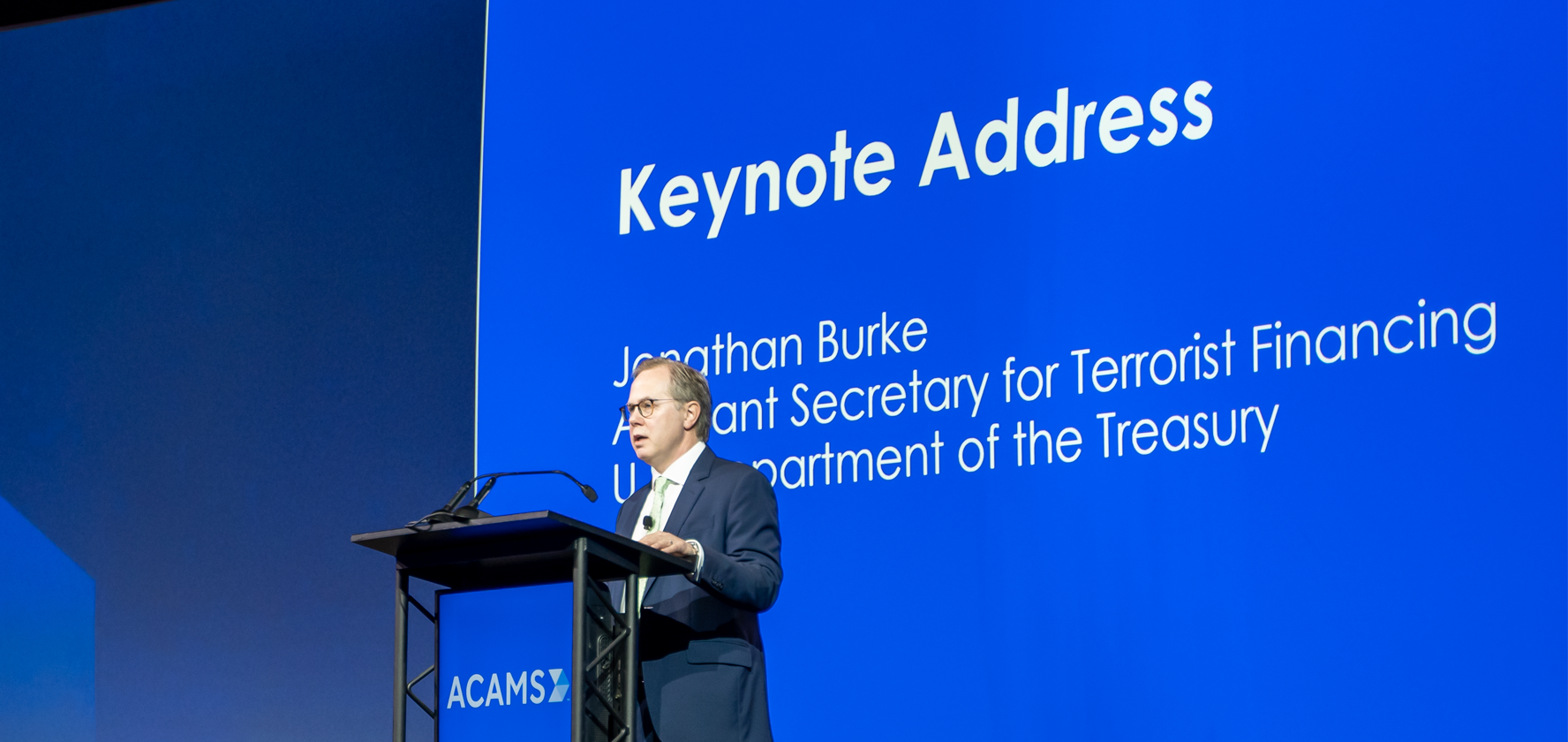
Jonathan Burke, assistant secretary for Terrorist Financing at the U.S. Department of the Treasury
Among the key points Burke said were important for maintaining a strong anti-money laundering/counter-terrorist financing (AML/CTF) framework include: delivering a risk‑based approach; ensuring operating effectiveness; and empowering innovation to adapt to evolving risks.
During a special presentation at The Assembly later Monday morning, Megs Shah, survivor leader and CEO of the trauma-informed technology development organization the Parasol Cooperative, noted, “A lot of [my work] started because I have been a technologist for over 25 years building technology products for many different Fortune 500 companies. And as a child sexual abuse survivor, I came to a head with my personal and professional experiences during COVID. Domestic violence cases were on the rise and the question in my mind was: “Why can’t we use technology to support survivors better?”

Megs Shah, survivor leader and CEO, the Parasol Cooperative
During The ACAMS Assembly keynote session on April 21, Justine Walker, ACAMS executive vice-president, Thought Leadership (AML, Sanctions and Fraud), talked with Giles Thomson, director for Economic Crime and Sanctions and vice president at the Financial Action Task Force (FATF).
When asked about what he hopes to work on as the incoming FATF president, Thomson responded, “I really hope over the next two years we can use FATF to address some of what we've all been talking about in Hollywood. A big priority is going to be supporting the effectiveness efforts of the U.S., the U.K. and every member of FATF to improve the effectiveness of our regimes through further application of the risk-based approach.”

Giles Thomson, director for Economic Crime and Sanctions and vice president, FATF
During the “Underaged but Not Underestimated: The Financial Crime Threat from Emerging Youth‑Driven Groups” session on Tuesday afternoon, Scott Apodaca, head of Financial Intelligence at Western Union, replied to a question about what would be useful for attendees to know about this trend by observing, “I would say two things. One is understanding the complexity of the issue but don’t address it with too much complexity…. [Address the] simple elements … [such as the] baseline red flags and understanding who your customers are. Understand that it’s a dynamic, evolving issue that’s moving at a fast pace. [But] you don’t have to overcomplicate it to be able to initiate alert programs or investigations.”
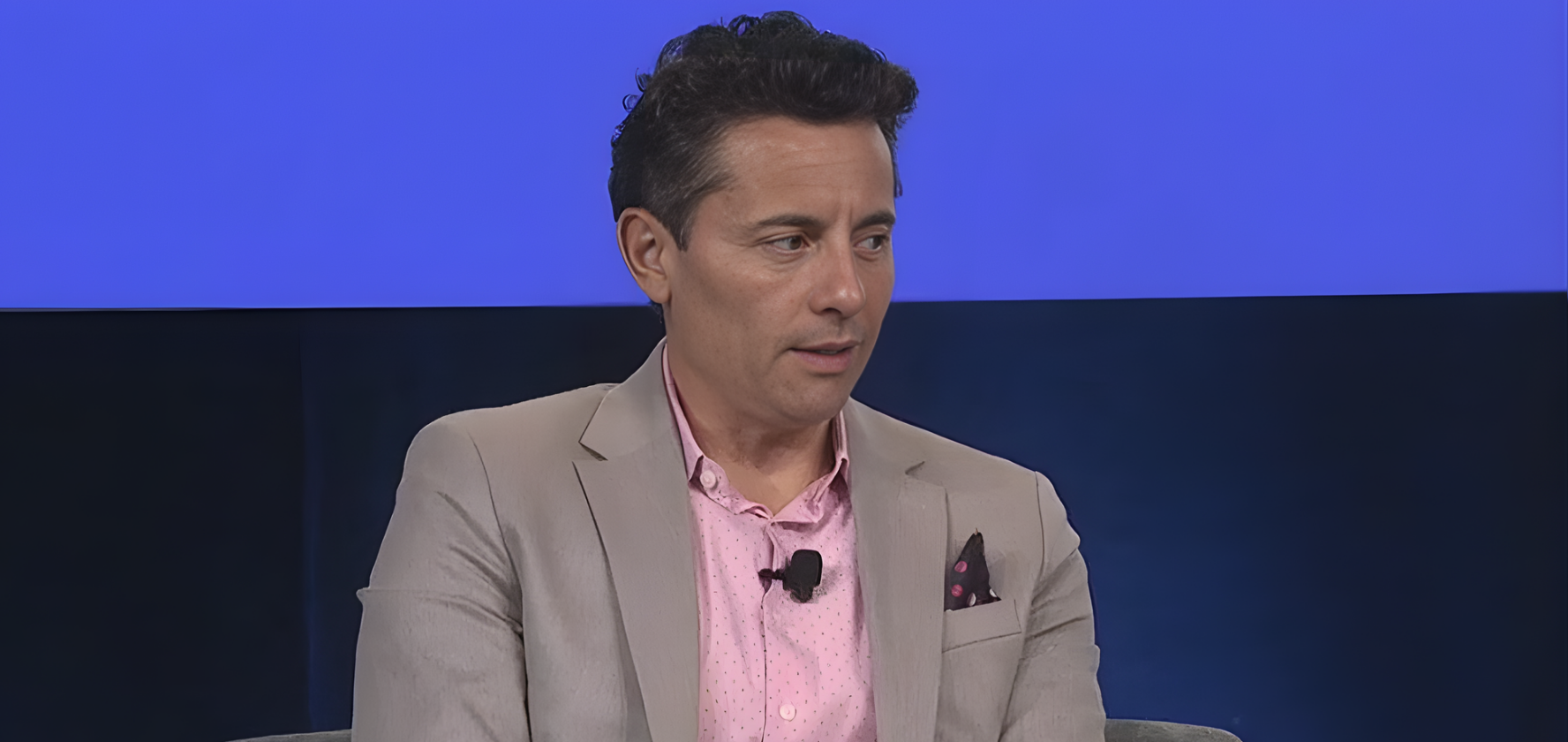
Scott Apodaca, head of Financial Intelligence at Western Union
During the final keynote presentation on April 22, moderated by Craig Timm, senior director, AML at ACAMS, Andrew Tysen Duva, assistant attorney general of the Criminal Division, U.S. Department of Justice, told the audience, “You are the eyes and ears and you see the trade-based money laundering. You see how the United States financial system is used…. Any time there’s a new tool, there’s good on one side and … bad or evil … on the other…. There’s a lot of talent on both sides. So, the talented people in this room have the opportunity, with [LE], to identify complicated patterns of deposits and [the] changing [of] U.S. dollars into crypto or stablecoin.”
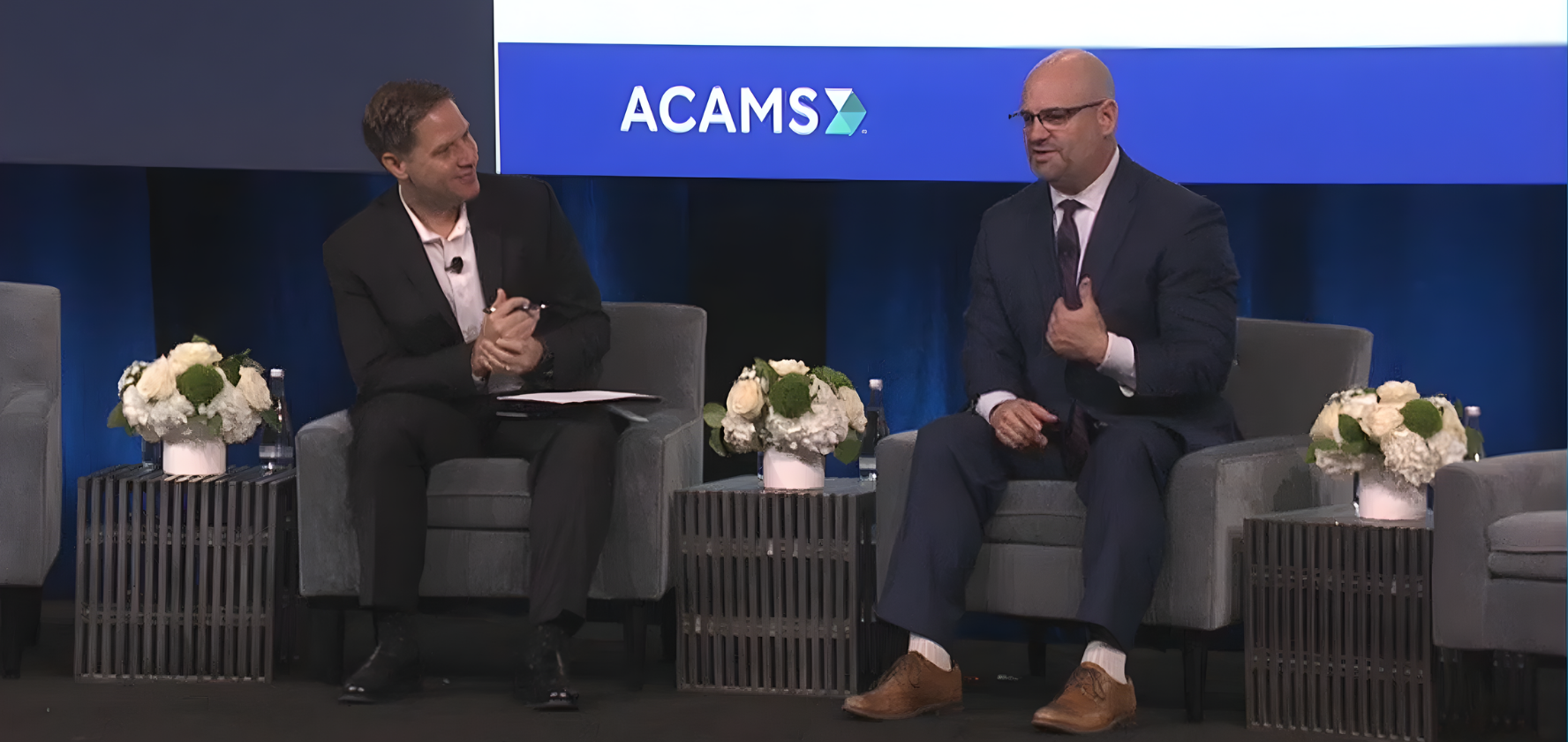
Left to right” Criag Timm, senior director, AML at ACAMS, with Andrew Tysen Duva of the U.S. Department of Justice
During a session later that morning titled “From Cartels to Compliance: AML in a New Drug Enforcement Era,” Ryan S. Sibbald, assistant special agent in charge, DEA Sacramento, U.S. Department of Justice, said to the audience of AFC professionals regarding SARs, “Bottom line up front, say what you want to say right in the beginning because sometimes [LE] will get 12 SARs in front of us on a return…, We [need] to get through them and see what the meat and potatoes are later. So, more isn’t necessarily better. It’s … [the] strong context behind it [the information in the report].”
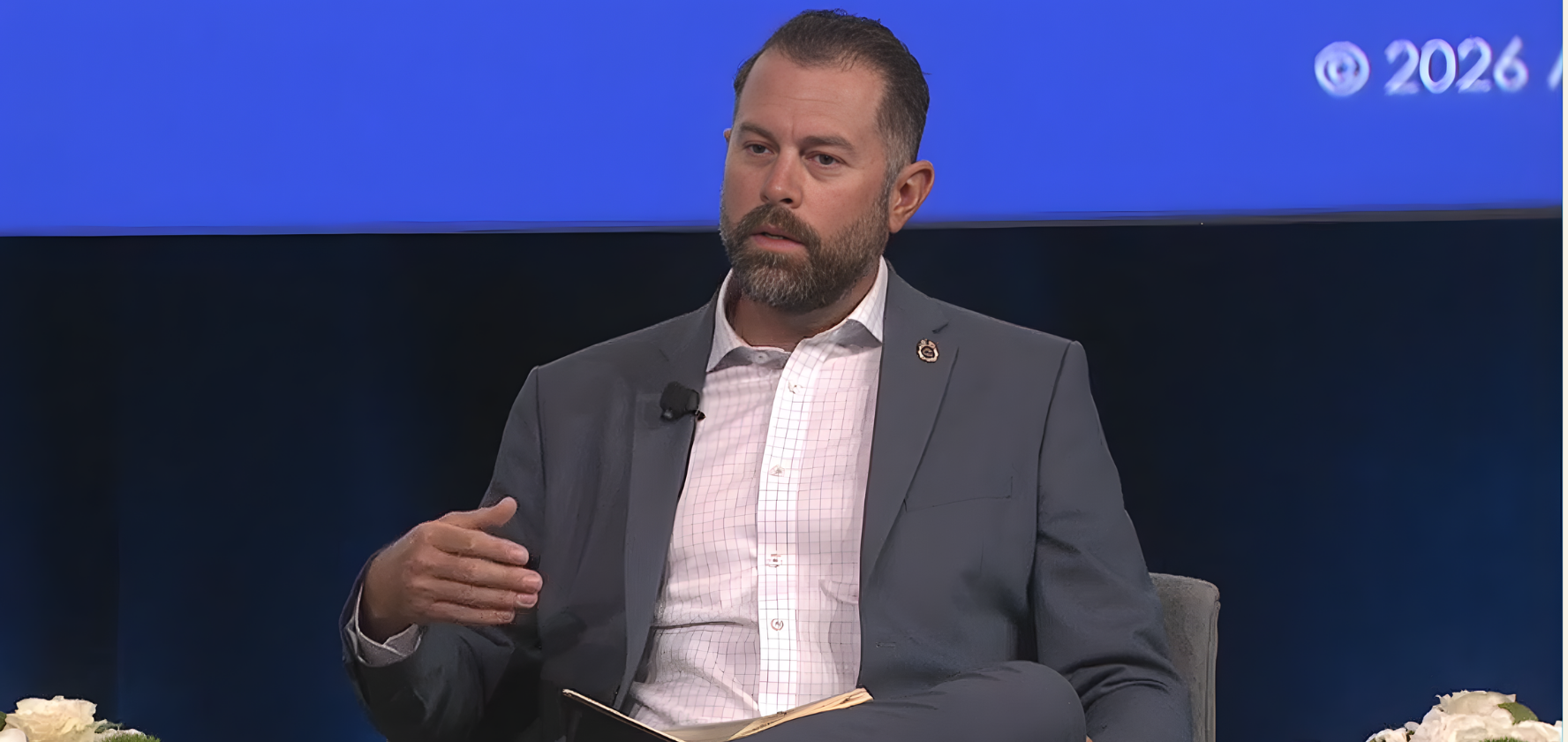
Ryan S. Sibbald, assistant special agent in charge, DEA Sacramento, U.S. Department of Justice
During another session that final morning of The Assembly, author Jason Blazakis responded to moderator Justine Walker’s question about what issues worried him most in the next three to five years, saying, “I’m writing an opinion piece ... that gets into cults…. [There are] multiple individuals that are part of groups that worship [AI] and large language models as deities. This crossover of tech and religion and what it might mean in terms of cult-like behavior and activity is a deep concern to me. And we’ve already seen some acts of violence.... And if you start unplugging certain LLMs people become very connected to, how will they respond to that? To me, that's one of these interesting challenges.”
The Assembly Hollywood concluded on Wednesday with the session “Breaking News: ACAMS MLDC Presents the Latest Developments in AML/AFC.” Key takeaways from the session included:
- Online fraud and scams, including those involving cryptocurrency, are increasing in sophistication, requiring holistic and evolving approaches from institutions and regulators.
- Developing improved financial crime data infrastructure, including secure data-sharing using technologies like blockchain and zero-knowledge proofs, is essential to outpace criminals.
- Ongoing reforms seek to streamline regulatory requirements and encourage innovation responsibly.
In closing, The ACAMS Assembly Hollywood underscored both the complexity and the urgency of today’s AFC landscape. As regulatory expectations evolve and emerging risks continue to test traditional controls, the discussions made clear that standing still is not an option. The thoughtful exchange of insights on AI, sanctions, SAR optimization and criminal network disruption highlighted how innovation and adaptability are becoming essential skills for AFC professionals.
Reported by the ACAMS Today Editorial Staff
Karla Monterrosa-Yancey, CAMS, editor-in-chief, kmonterrosa@acams.org
Ben Bahner, CAMS, editor, bbahner@acams.org
Ana Acuna, web producer, aacuna@acams.org
AFC Trends & Typologies: Examining the U.S. Administration’s Priorities
How comprehensive blockchain innovation improves economies
Evolving AML compliance for emerging threats
Fraud Focus: Healthcare Identity Fraud’s Unseen Impact on Banks
Collective Intelligence: Moving Beyond Data Silos
Address poisoning attacks: Exploiting blockchain and cognitive vulnerabilities
When Anyone Can Be Anyone: AI and the Identity Crisis in Finance
In Focus: AFC Regulatory Watch - April 2026
Rachel Alpert on the nexus of geopolitics and sanctions: Policy, pressure and rollbacks
Collective Intelligence: Moving Beyond Data Silos
When Anyone Can Be Anyone: AI and the Identity Crisis in Finance
Collective Intelligence: Moving Beyond Data Silos
How comprehensive blockchain innovation improves economies
Charitable and volunteer organizations in the U.K. and Ukraine
In Focus: AFC Regulatory Watch - April 2026
Human trafficking: The dangers of sports events
AFC Trends & Typologies: Examining the U.S. Administration’s Priorities
Human trafficking: The dangers of sports events
Collective Intelligence: Moving Beyond Data Silos
Address poisoning attacks: Exploiting blockchain and cognitive vulnerabilities
When Anyone Can Be Anyone: AI and the Identity Crisis in Finance
Global Roundtable: Geopolitical State of Play – Iran, Cuba, and Venezuela
Collective Intelligence: Moving Beyond Data Silos
Human trafficking: The dangers of sports events